What a Manufacturing Website Needs to Generate Better Wholesale Leads
A manufacturing website is not just a brochure with an About page and a phone number.
For a wholesale buyer, it should function more like a knowledgeable salesperson who is available all day: help me find the right product, show me enough detail to know whether it fits, explain how I can buy it, make requesting a quote easy, and prove the company is legitimate.
Manufacturers often have the information. The website just does a poor job organizing it.
Start with how buyers search for products
Internal company terminology is not always how customers think.
A buyer may search by product type, material, size, application, finish, industry, machine compatibility, part number, or performance characteristic.
The website should reflect the ways buyers actually navigate.
A huge PDF catalog can still be useful. It should not be the only way to understand what you sell.
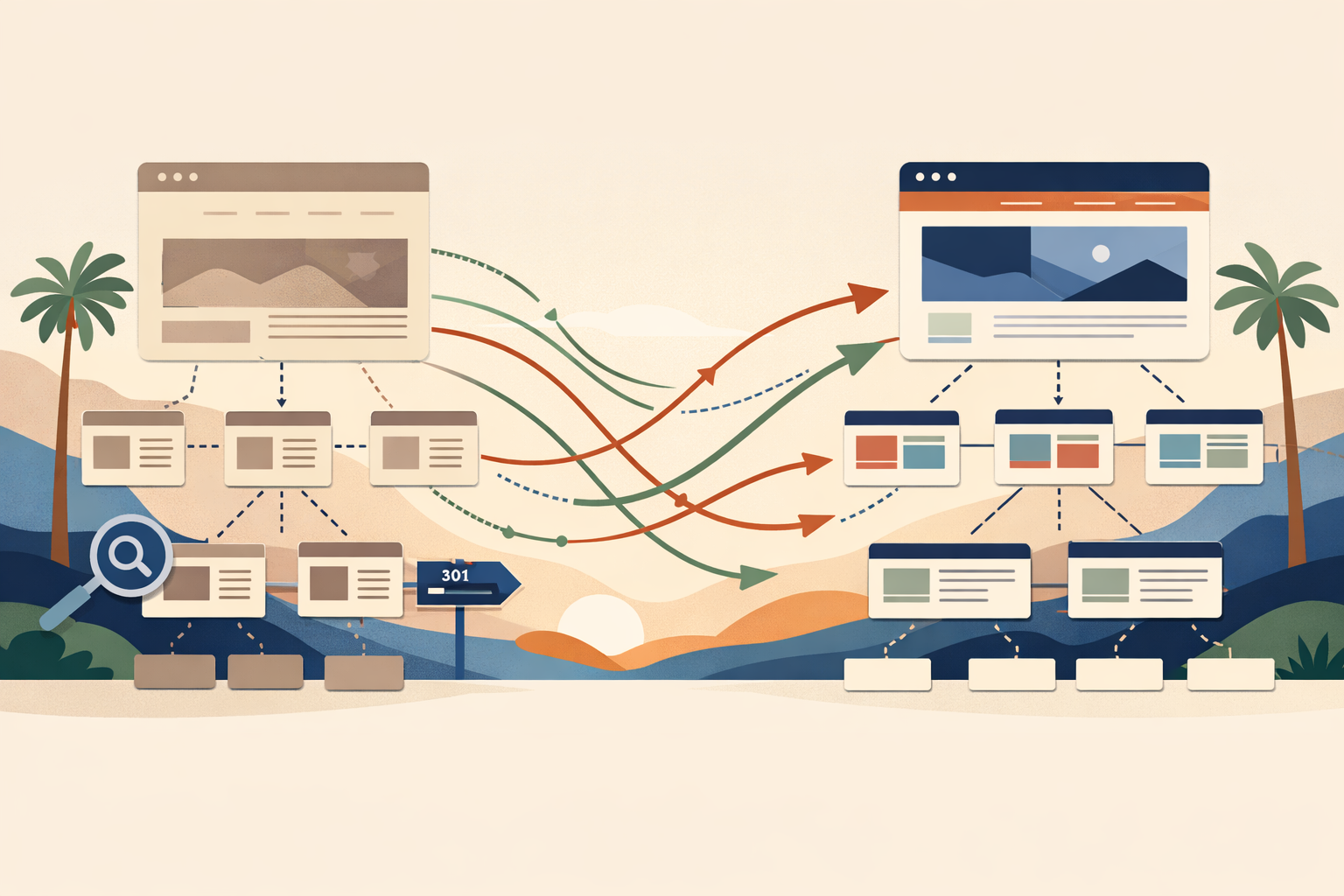
Build a real product hierarchy
A strong product catalog usually has multiple levels:
Category
→ Product family
→ Individual product
→ Variations/specifications
→ Quote or wholesale inquiry
That structure helps people browse and gives search engines clearer pages to understand.
Do not create a separate URL for every tiny variation unless the content genuinely warrants it. The goal is useful product discovery, not maximum page count.
Product photography matters more than people think
For physical products, images answer questions instantly.
Useful product imagery can show shape, material, scale, finish, packaging, variants, application, and close-up detail.
A generic stock photo of a factory does not help someone choose a product.
If budget is limited, I would prioritize consistent product photography before cinematic brand video. The catalog is where decisions happen.
Specifications should be readable, not buried
Technical buyers often want detail. Give it to them cleanly.
Depending on the product, that might include dimensions, materials, compatible equipment, grades, available sizes, packaging, minimum quantities, use cases, or documentation links.
Do not make people email sales for information that could have qualified the lead automatically.
Sales should spend time on actual buying questions.
Make wholesale inquiry specific
“Contact Us” is too broad for a product catalog.
A quote or wholesale inquiry can automatically include context such as product, quantity, application, company, delivery location, timeline, and notes.
The form should be short enough to complete but useful enough that the sales team understands the request.
That saves a round of email.
Explain minimums and buying process when appropriate
If the business has minimum order quantities, distributor requirements, wholesale-only products, lead times, sample policies, or custom orders, consider explaining them.
You do not have to publish every internal pricing rule. You should reduce avoidable uncertainty.
Qualified buyers appreciate knowing whether they are a fit.
Give the company credibility beyond “since 1985”
Longevity is useful. Buyers also want evidence of operational competence.
Depending on the company, that could include industries served, facilities, capabilities, quality processes, certifications, recognizable customers where permitted, shipping reach, custom manufacturing ability, technical support, or team experience.
Show what makes the company dependable.
Bilingual content can matter in manufacturing too
Some Southern California and cross-border manufacturing relationships operate naturally in both English and Spanish.
If that reflects the real customer base, bilingual product and inquiry experiences can be useful.
But do not translate 500 products automatically and never review them. Start with the highest-value categories and customer paths.
IRVING INPUT OPPORTUNITY: Add one lesson from your manufacturing website work—for example how product categories, product photography, minimum quantities, or wholesale inquiries changed the site architecture.
Search should support product discovery
For a small catalog, category browsing may be enough. As the catalog grows, search and filters become more valuable.
Possible filters include product type, size, material, application, finish, or availability.
Do not add filters simply because e-commerce sites have them. Add them when they reduce the time required to find the right product.
Decide whether you actually need e-commerce
Some manufacturers should sell online. Some should not.
If pricing varies by volume, account, freight, or customer relationship, a quote workflow may be better. If products are standardized and pricing is clear, e-commerce can remove friction.
A good website architecture should not force the business into the wrong sales model.
Think about sales handoff
A website lead is only useful if it reaches the right person.
The inquiry flow should answer where the submission goes, whether the product is included automatically, whether the lead is added to a CRM, whether the buyer gets confirmation, and whether sales can reply with context.
This is where a marketing website starts becoming an operational tool.
FAQ
Should a manufacturer put pricing online?
Only when it fits the sales model. If pricing varies by volume, freight, account, or custom requirements, a quote workflow may be better.
Is a PDF catalog enough?
Usually not by itself. A web catalog helps buyers discover products, navigate categories, and reach a relevant inquiry path without downloading a large file first.
Do manufacturers need e-commerce?
Not automatically. Use e-commerce when standardized products and pricing make direct checkout useful; otherwise, a strong RFQ or wholesale process can be better.
The bottom line
A manufacturing website should reduce the amount of work required for a qualified buyer to understand your products and start a conversation.
Organize what you already know. Show the products clearly. Make the buying path obvious. Then connect the website to the way your sales team actually works.